

For most jockeys, winning the world’s greatest steeplechase at Aintree means far more than the money that comes with it. However, as the most lucrative UK jumps race on the calendar, it still delivers a serious payday for the rider who gets it right.
But just how much money can the winning 2026 Grand National jockey expect to bank?
How Much Will The 2026 Grand National-Winning Jockey Earn? 💰
The jockey of the 2026 Grand National winner will get around 9% of the first prize.
With the 2026 Grand National prize fund set at £1 million – and £500,000 going to the winner – there’s a sizeable reward on offer for the jockey who steers their mount home first.
In the UK, jump jockeys typically receive around 9% of the winning prize money.
Therefore, based on the £500,000 Grand National first prize – this works out at £45,000.
On top of that, every jockey in the Grand National earns a riding fee, which currently stands at £235.90 for jump riders.
Which was raised on January 2026 – up from £227.92.
Add their fee and their prize money cut (9%) – and the 2026 Grand National-winning jockey will take home £45,227.92 (before tax).
Not bad for only ten minutes’ work – hey?
Placed Jockeys Also Get A Cut Of The Grand National Prize Money
As well as the winner’s share, jockeys who finish in the places collect 3.44% of any prize money, plus their riding fees.
Meaning the second-placed jockey in the 2026 Grand National will get 3.44% of £200,000 – which is appox. £6,880.00
Many riders will also boost their income through sponsorship deals, while others can be retained by owners and pick up set fees based on their individual agreements.
Below is the full Grand National prize money breakdown, with even tenth place still winning £5,000 for their owners.
2026 Grand National Prize Money Breakdown 💷
- 1st: £500,000
- 2nd: £200,000
- 3rd: £100,000
- 4th: £65,000
- 5th: £40,000
- 6th: £30,000
- 7th: £20,000
- 8th: £15,000
- 9th: £10,000
- 10th: £5,000
Jockey Riding Fees 2026 (Jumps and Flat Riders)
- Flat: £173.54: 7% (win), 2.61% (place)
- Jumps: £235.90: 9% (win), 3.44% (place)
(Figures correct as of January 2026, according to the PJA)
Jockey Earning Examples From Major UK Jump Races (2026)
| Race | First Prize | Riding Fee (jumps) | Prize Cut (approx 9%) | Total Winning Jockey Earnings |
|---|---|---|---|---|
| Grand National 2026 | £500,000 | £235.90 | £45,000 | £45,235.90 |
| Cheltenham Gold Cup 2026 | £351,687.50 | £235.90 | £31,651.88 | £31,887.78 |
| Champion Hurdle 2026 | £262,077.52 | £235.90 | £23,586.98 | £23,822.88 |
| Champion Chase 2026 | £225,080 | £235.90 | £20,257.20 | £20,493.10 |
Do Jockeys Still Get Paid If Their Horse Is a Non-Runner?
Yes, jockeys in the UK receive 50% of their riding fee if their horse is declared a non-runner.
With declaration times set at 48 hours (for both flat and jumps), any horse withdrawn after that point still triggers half the fee for the booked rider.
That equates to £117.95 for a jockey riding over jumps, if their mount is a non-runner.
Which Jockey Won The 2025 Grand National?
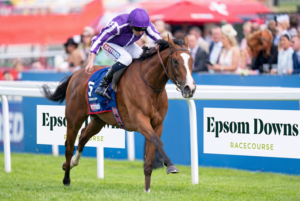
Patrick Mullins won the 2025 Grand National, when he steered home Nick Rockett for his dad Willie Mullins.
In the process, connections picked up £500,000 for first prize – of which Patrick Mullins got around 9% – £45k.
Most horse racing jumps trainers will also land approx. 10% of any first prize winnings, meaning Willie Mullins also banked £50k for Nick Rockett’s success.
While it’s also been confirmed that the Paul Townend Grand National ride will be on the 2024 winner I Am Maximus.
WATCH Nick Rockett Winning The 2025 Grand National
Note: All Grand National jockey earning figures are a guide and subject to change.



Comments.
Loading comments…