Ascot is already looking towards 2027 after Royal Ascot closed with stronger crowds, another deep international week on the track and further changes under discussion for the racegoer experience.
The Berkshire course came out of this year’s royal meeting with attendance moving in the right direction, a final-day crowd of 71,610 and a reported five-day figure of 294,541.
That left the meeting up on 2025, when the total attendance was 286,541, and gave Ascot fresh momentum after a week that also included major performances from Almeraq, Scandinavia, Illinois and a fiercely debated straight-course draw pattern.
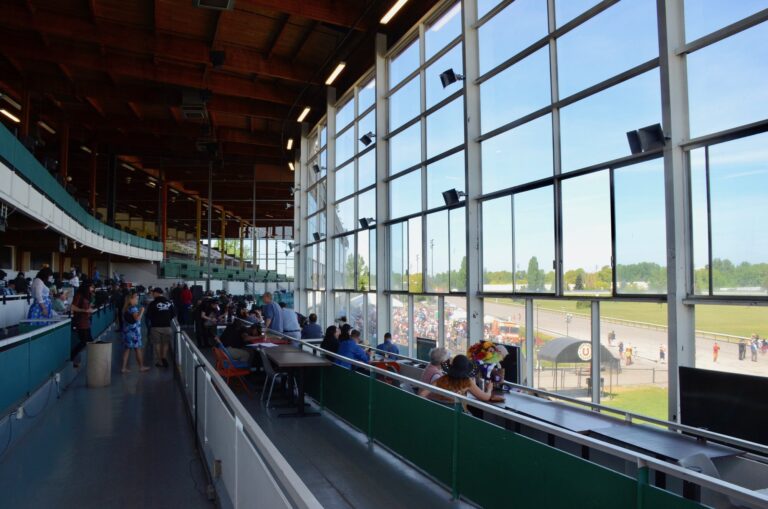
Racing Post reported that Nick Smith, Ascot’s director of racing and public affairs, said the course is already looking at ways to “future-proof” parts of the main enclosure after another highly successful royal meeting.
Ascot Pushes On After Strong Royal Meeting
The timing matters. Royal Ascot has not simply held its ground while several major race meetings across Britain and Ireland continue to wrestle with attendance, pricing and the wider challenge of keeping racegoers engaged.
It has found a way to retain the scale and ritual of the week while still delivering enough competitive racing to keep the meeting at the centre of the Flat season.
That balance was visible again this year. Aidan O’Brien reached 100 Royal Ascot winners with Scandinavia in the Gold Cup, Ryan Moore finished as leading jockey, and Almeraq’s Jubilee Stakes victory gave the final afternoon a proper Group One finish.
The week was not without pressure points. Debate around the straight-course draw dominated plenty of post-meeting discussion, with the near-side rail repeatedly becoming a focus.
ReadHorseRacing has already covered how Ascot clerk Chris Stickels responded to the draw-bias row, while our broader Royal Ascot draw-bias recap tracked how the issue sat inside a dramatic final week. That subject will remain part of the post-meeting review before next year.
Racegoer Changes Now In Focus
Smith’s comments point towards improvements around the main enclosure rather than a radical reshaping of the meeting. That is an important distinction.
Royal Ascot’s strength still lies in the combination of racing, ceremony and scale, and any change has to protect the feel of the week as much as improve movement, comfort and access around the racecourse.
There is also an obvious commercial incentive. Ascot’s own site is already pointing users towards Royal Ascot 2027, and the early signal from the course is that interest for next year is running strongly. With the 2027 meeting scheduled for June 15-19, the racecourse has a full year to turn this year’s review into practical improvements.
The job now is to sharpen the experience without sanding down what makes the meeting distinct. Royal Ascot has come through 2026 with stronger numbers and no shortage of talking points; the next test is whether Ascot can use that position of strength to make the 2027 meeting run even more smoothly.
That is the kind of problem any major racecourse would take at this point in the summer.